In corporate spaces, leaders are trained to focus relentlessly on "hard facts." We review analytical dashboards, financial spreadsheets, and operational reports. But in organizational psychology, we quickly learn that teams, clients, and leaders themselves do not act on facts—they act on how they perceive those facts.
Emotions are not arbitrary reactions triggered by the external world. Rather, they are driven by the specific psychological construct of the meaning we assign to our experiences. This meaning is a direct extension of our thoughts, which in turn are flavored by our perspective and anchored firmly in our identity.
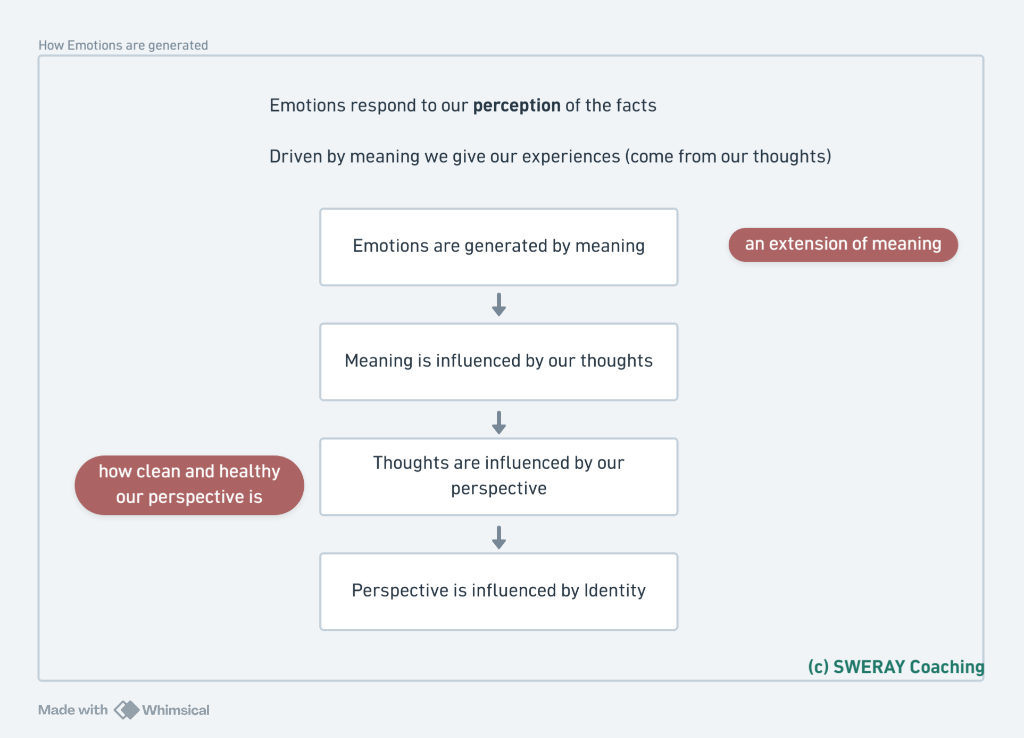
Figure 1: The Emotion Generation model, demonstrating the direct flow from Identity down to Emotional response.
Deconstructing the Cognitive Chain
To break free from reactive emotional loops, a leader must understand the four hierarchical links that construct our emotional reality:
1. Emotions are Generated by Meaning: When two executives encounter the exact same event, they will frequently experience completely different emotions. Why? Because their minds generate different meanings. One perceives a sudden resource change as an exciting leadership challenge, while the other interprets it as a transaction of threat. The emotion is simply an extension of the meaning.
2. Meaning is Influenced by our Thoughts: The narratives we formulate about our circumstances are built upon the specific thought tracks we choose to run. What we focus on expands; what we stop focusing on ceases to exist.
3. Thoughts are Influenced by our Perspective: Your perspective acts as a filtering lens. A clean, healthy lens filters events to uncover growth and opportunities. A dusty, reactive, or victim-based lens flavors thoughts with defensiveness, suspicion, and fear.
4. Perspective is Influenced by Identity: The bedrock of the entire hierarchy is identity. Who we believe we are, our core behavioral characteristics (e.g., eDISC profiles), and how much emotional energy we expend in adapting to artificial corporate expectations decide the health of our perspective lens.
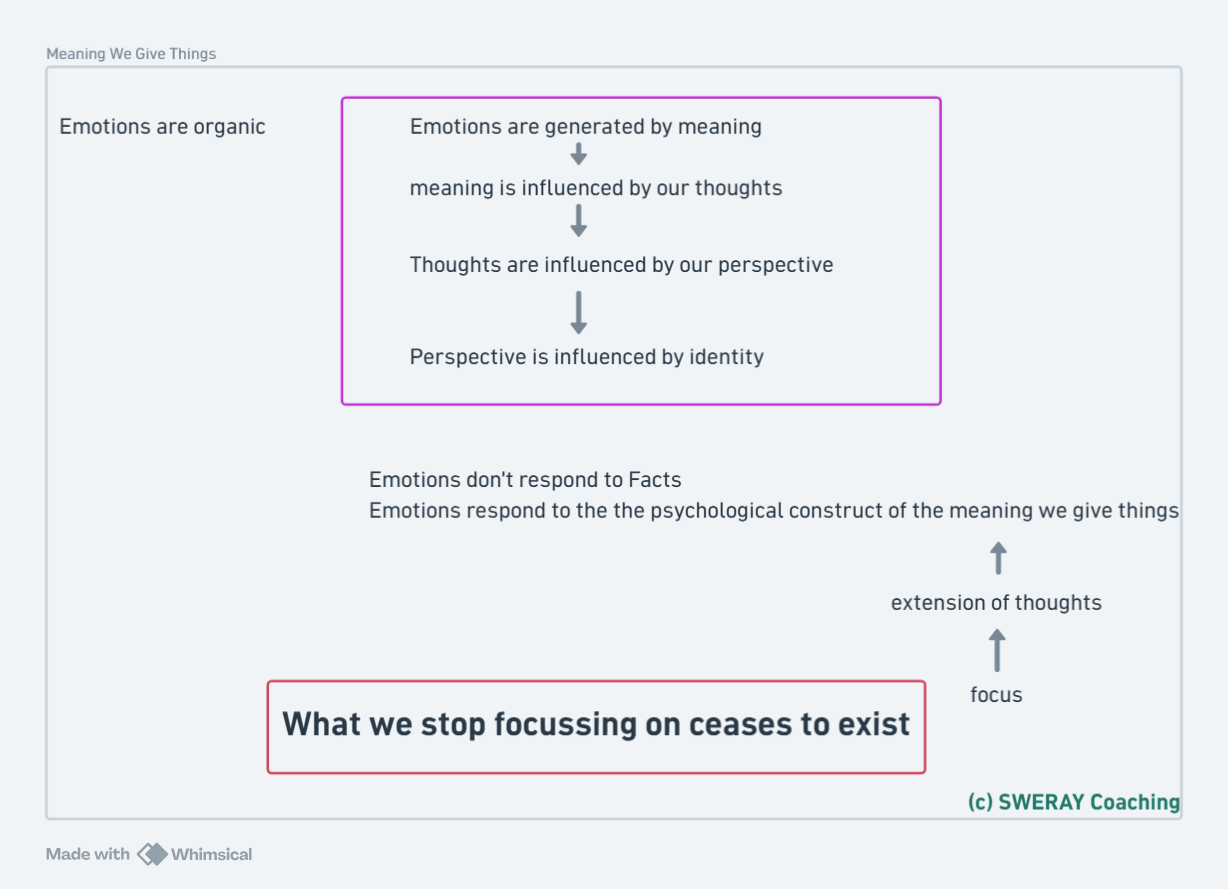
Figure 2: The meaning we assign to circumstances, bridging identity and emotional reaction.
Explore the Health of Your Perspective Lens
Use the interactive tabs below to contrast the impact of a clear perspective versus a murky lens, and learn how identity alignment protects leadership capacity.
Proactive Framing
Viewing sudden market shifts or conflicts as functional feedback loops, prompting immediate, constructive problem-solving.
Generous Attribution
Assuming positive or neutral intent behind a colleague's communication, maintaining a collaborative leadership dynamic.
Resilience Capacity
Recovering swiftly from executive setbacks by focusing exclusively on variables under direct operational control.
Victim-Based Framing
Interpreting complex team changes or feedback as personal attacks, producing reactive, fear-based thoughts.
Catastrophizing
Amplifying small mistakes into permanent threats, raising cortisol levels and creating systemic operational friction.
Detached Isolation
Retreating into defensive silos and transactional routines, failing to see the human psychological drivers behind performance issues.
Protecting the Energy Diamond
In behavioral coaching, we map natural eDISC profiles (Dominance, Influence, Steadiness, Conscientiousness) against adapted ones. When leaders are forced to adapt excessively to survive in an misaligned organizational culture, they drain their internal emotional battery.
If this adaptation is sustained over quarters, the perspective lens becomes deeply compromised. Leaders become defensive and prone to cognitive bias. Securing real alignment between a leader's natural traits and their active corporate profile is the single most effective way to restore perspective clarity and unlock sustainable performance.
The Core Benefits
- Reduced Cognitive Friction: Working within your natural eDISC archetype preserves precious daily emotional reserves.
- Cleaner Perspective: An energized identity naturally wards off protective, fear-based filters.
- Sustainable Output: Leaders who align their identity operate with a clear vision, inspiring authentic, high-impact collaboration.
We are Perception Creators
Once we recognize that our emotions are the product of our internal cognitive hierarchy, we realize we are perception creators! Isn't that amazing? If we wish to improve team morale, navigate a corporate crisis, or avoid executive burnout, we cannot simply try to forcefully control our emotions.
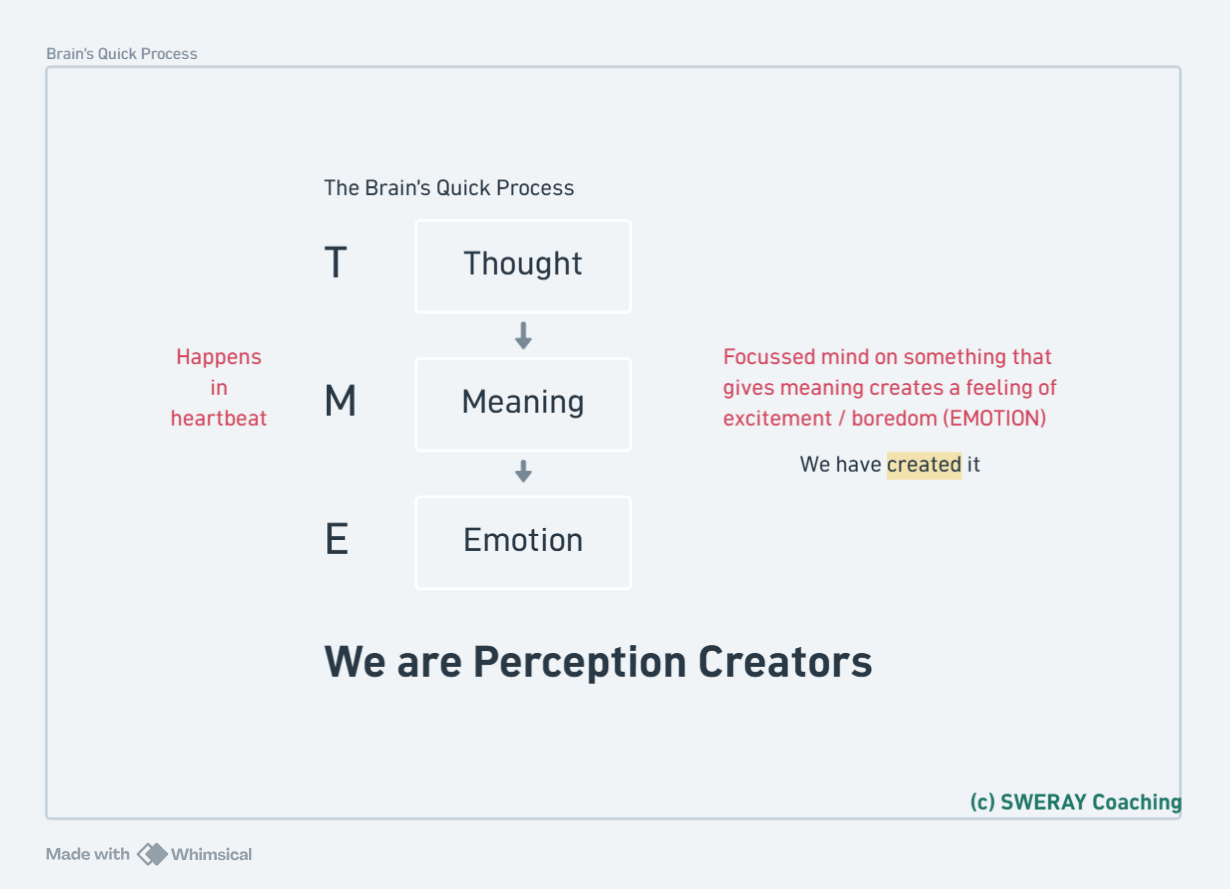
Figure 3: The brain's quick process of translating external events through the perception lens.
Instead, we must trace the chain backward. We clean the lens of our perspective. We evaluate the alignment of our identity. By ensuring that our behavioral profile is sustainable, we clear the way for healthy thoughts, high-impact meanings, and resilient emotional states.
Is Your Identity Aligned With Your Role?
Find out whether your adapted corporate profile is draining your emotional energy and clouding your perspective. Get a data-backed look at your team's natural vs. adapted profiles and unlock sustainable high-performance coaching.